 niklaslenz
Z-Image Turbo, Krea 2 Turbo and FIBO 2 Dev (INT8 and NVFP4) on an RTX 5090
Four prompts at 1024×1024 on one RTX 5090 32 GB, timed from request to finished image for six model variants in INT8 and NVFP4. Same prompts and seed for every model, images shown as generated.

Not ranked. Measured on the devices shown here only. Simpler image protocol than the image test v2 of 20 Oct 2026 (4 prompts, one seed, no prompt upsampler comparison); measured on one device only, shown separately and not ranked.
RTX 5090 32 GB · Z-Image Turbo INT8 · 1024×1024 · 8 steps
one RTX 5090 32 GB
RTX 5090 32 GB · Z-Image Turbo NVFP4 · 1024×1024 · 8 steps
one RTX 5090 32 GB
RTX 5090 32 GB · Krea 2 Turbo INT8 · 1024×1024 · 8 steps
one RTX 5090 32 GB
RTX 5090 32 GB · Krea 2 Turbo NVFP4 · 1024×1024 · 8 steps
one RTX 5090 32 GB
RTX 5090 32 GB · FIBO 2 Dev INT8 · 1024×1024 · 50 steps
one RTX 5090 32 GB
RTX 5090 32 GB · FIBO 2 Dev NVFP4 · unofficial · 1024×1024 · 50 steps
one RTX 5090 32 GB
Real outputs

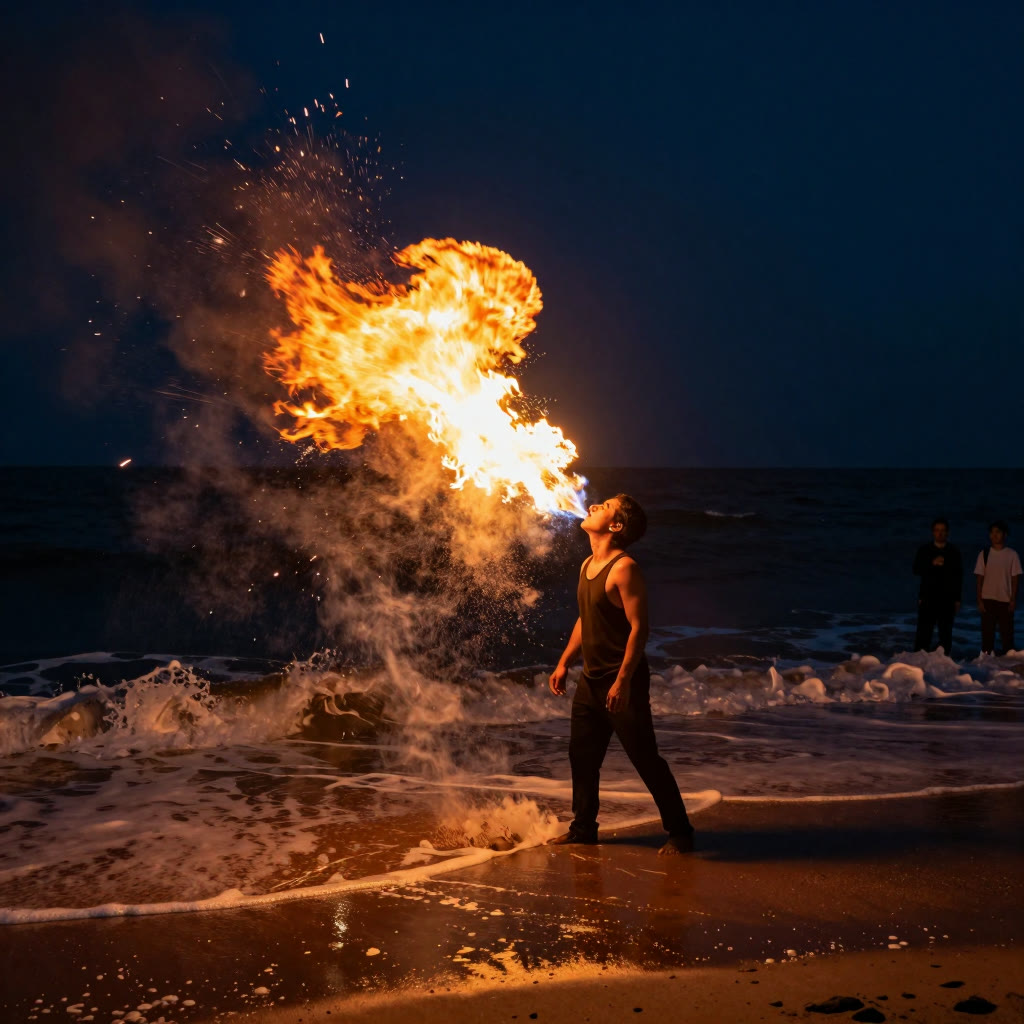



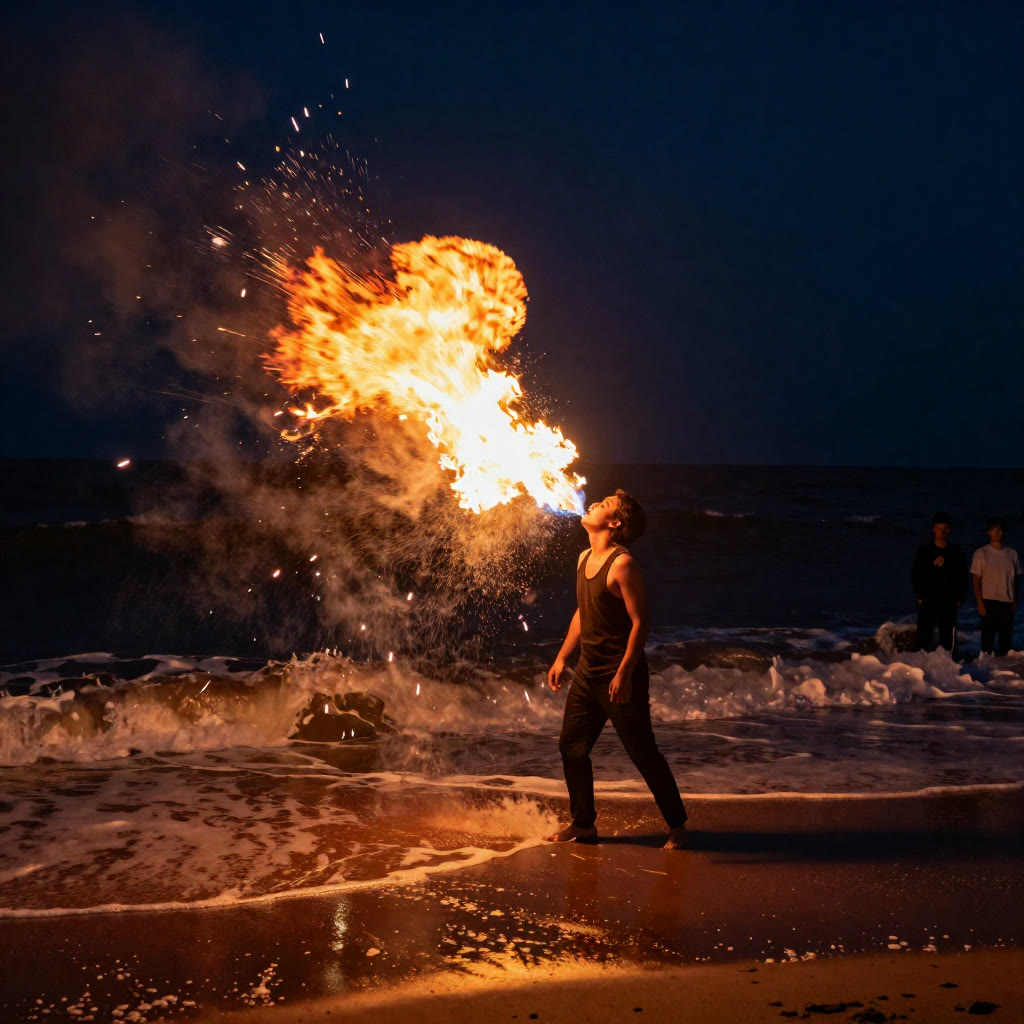



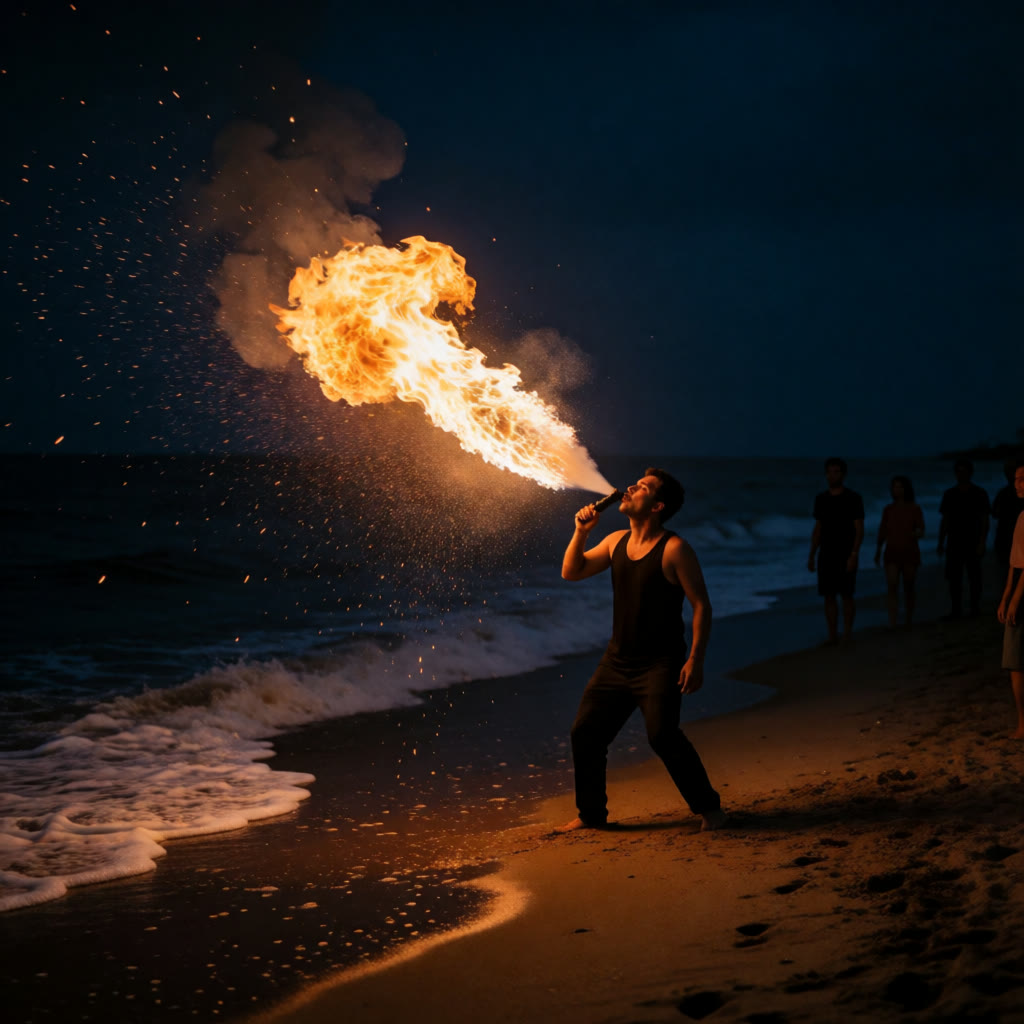



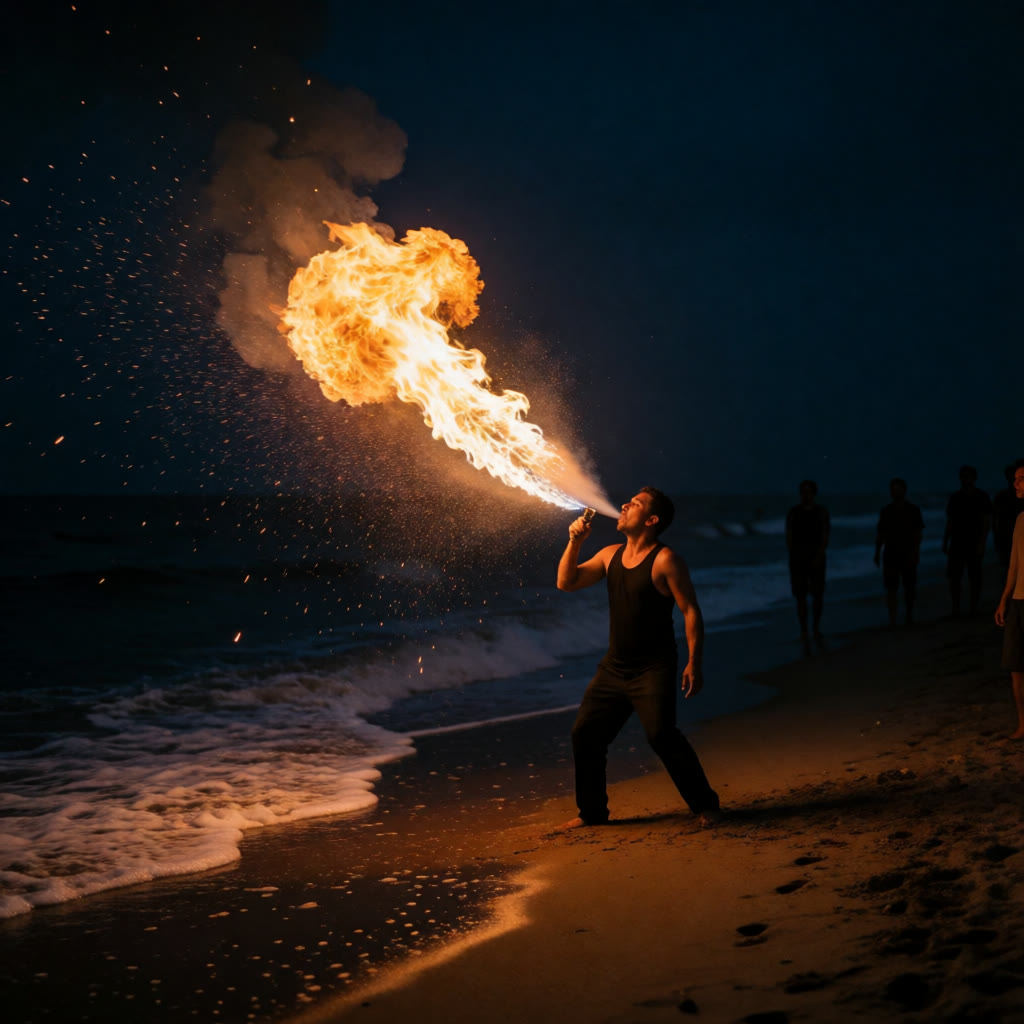



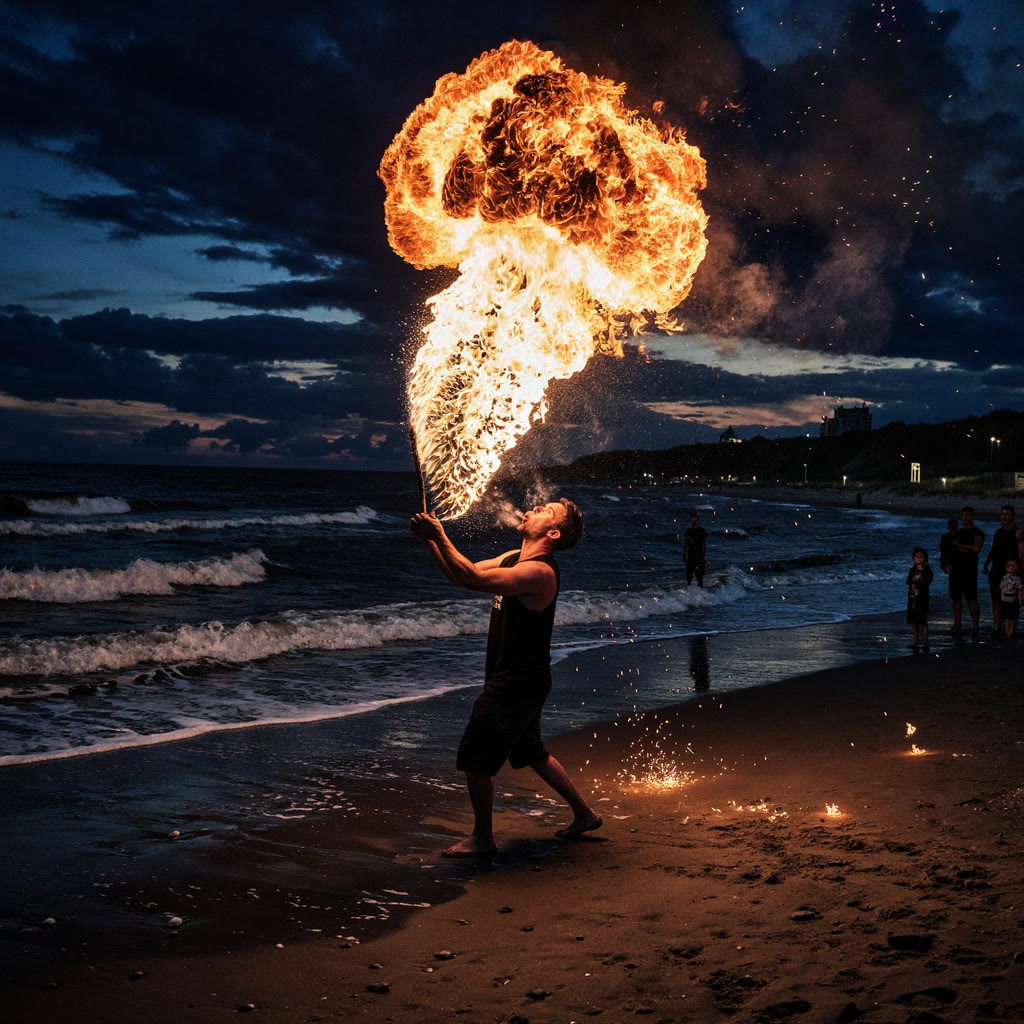
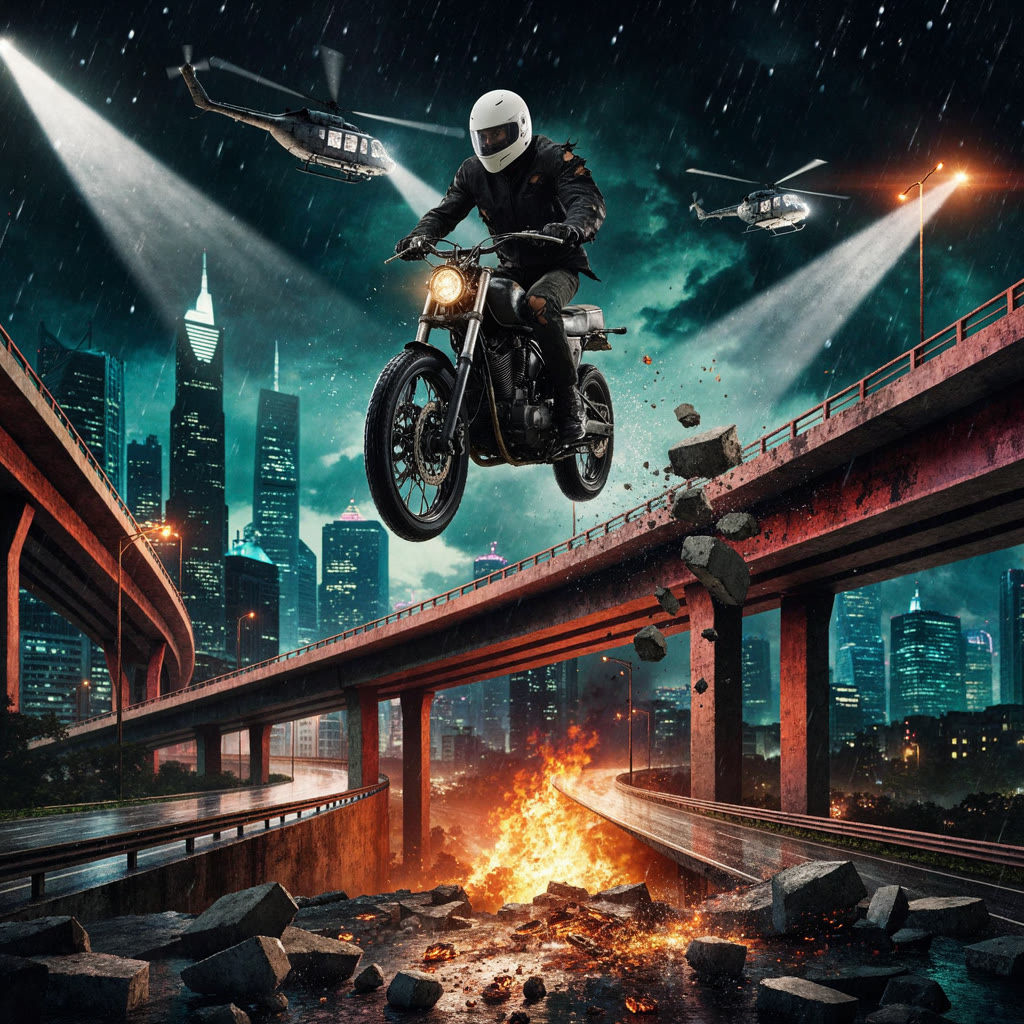


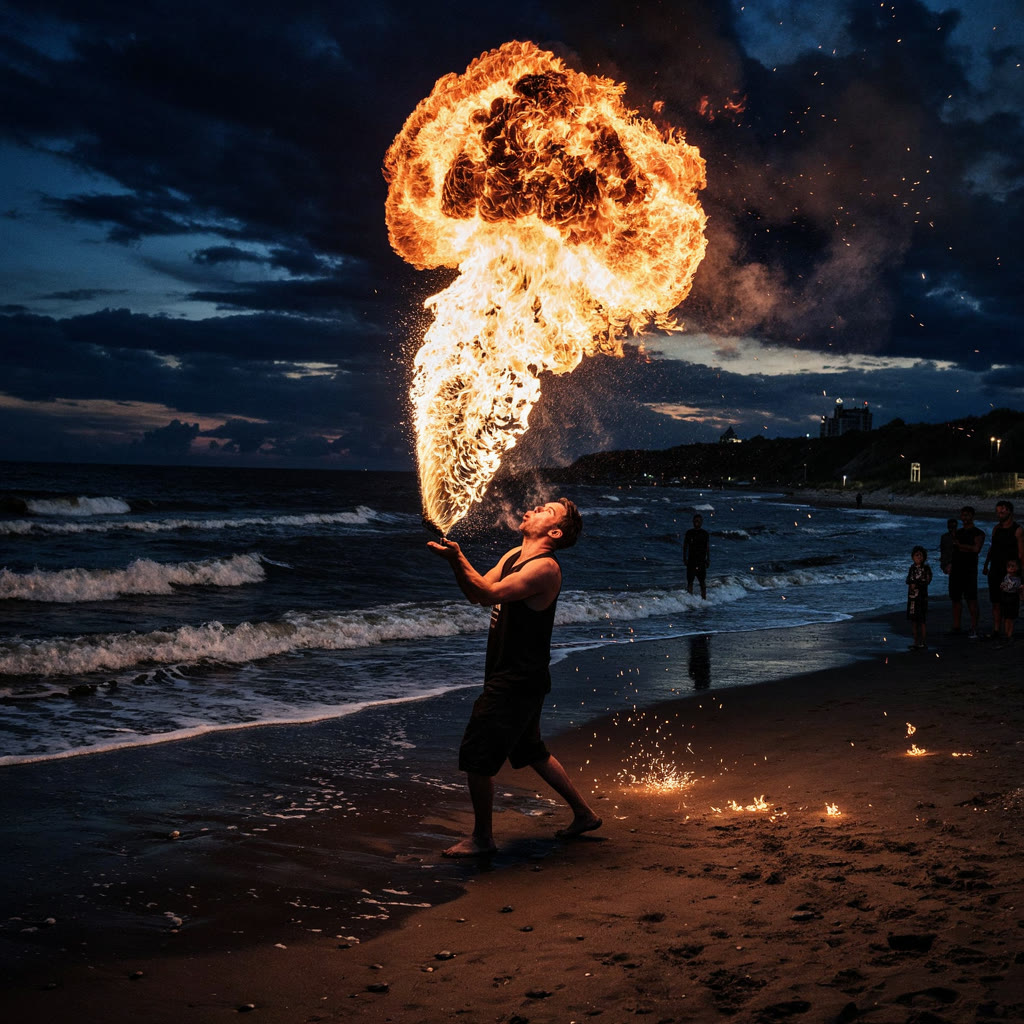
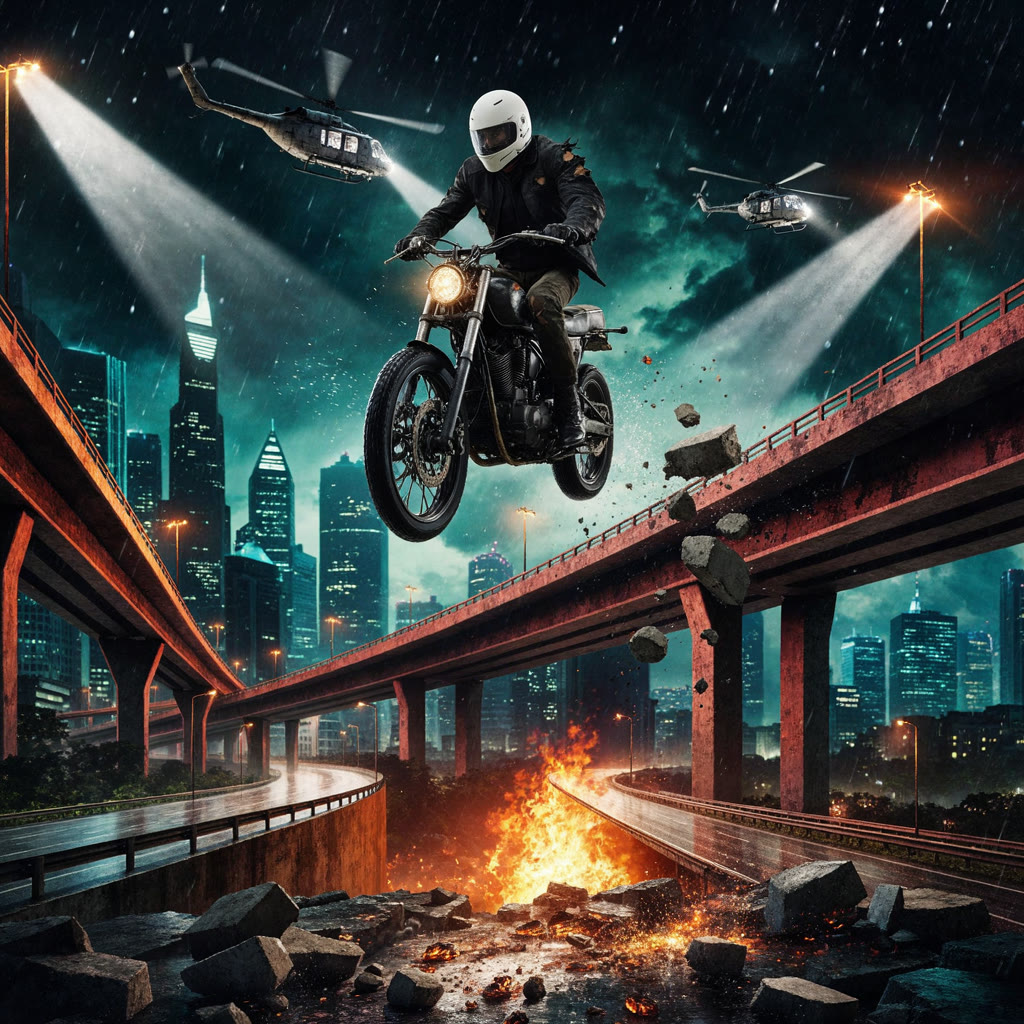

Median time per image in seconds by prompt, same prompts and seed 42, one RTX 5090. Median of 3 passes per prompt, last column the median of all 12 images. Not ranked.
| Model and precision | Steps | I1 portrait | I2 fire breather | I3 action | I4 alien forest | Median of 12 |
|---|---|---|---|---|---|---|
| Z-Image Turbo INT8 (ConvRot) | 8 | 1.56 | 1.56 | 1.58 | 1.56 | 1.56 |
| Z-Image Turbo NVFP4 | 8 | 1.38 | 1.40 | 1.40 | 1.36 | 1.39 |
| Krea 2 Turbo INT8 (ConvRot) | 8 | 2.95 | 2.95 | 3.23 | 2.90 | 2.95 |
| Krea 2 Turbo NVFP4 | 8 | 3.88 | 3.87 | 4.14 | 3.74 | 3.87 |
| FIBO 2 Dev INT8 (ConvRot) | 50 | 19.31 | 19.37 | 19.40 | 19.37 | 19.37 |
| FIBO 2 Dev NVFP4 (unofficial) | 50 | 17.82 | 17.85 | 17.90 | 17.86 | 17.86 |
How it was run
- Device: one RTX 5090 32 GB, nothing else running on the GPU. Measured on this device only, not ranked.
- Engine: stock ComfyUI v0.43.0 (commit 426f5eea52a7ece1dd599fff4cb6cd1f352ddd24), no custom nodes, PyTorch 2.14.0 dev (CUDA 13.0), comfy-kitchen 0.2.40.
- Protocol: grid of 4 house prompts (portrait, fire breather, action scene, alien forest), seed 42, 1024×1024, plain-text prompts, no prompt expander. This is a simpler protocol than the image test v2 of 20 Oct 2026 (see notes).
- Per variant: 3 passes with a fresh server each, one uncounted warm-up image per server start, then 4 timed images. 12 timed images per variant.
- Time per image: request sent until the finished image is in the history. It includes text encoder, sampler, VAE and saving. Median of 12.
- Z-Image Turbo: 8 steps, CFG 1, res_multistep / simple, shift 3. Weights INT8 ConvRot and NVFP4 (Comfy-Org repack), text encoder Qwen3 4B FP8 mixed, VAE ae.
- Krea 2 Turbo: 8 steps, CFG 1, euler / simple. Weights INT8 ConvRot and NVFP4 (Comfy-Org repack), text encoder Qwen3-VL 4B FP8 scaled, Qwen-Image VAE. Prompt refine switch off, no LoRA.
- FIBO 2 Dev: 50 steps, CFG 5, euler / simple, Bria negative prompt from the model card. Weights INT8 ConvRot (Comfy-Org repack) and an unofficial NVFP4 build. Text encoder Qwen3-VL 4B BF16, FLUX.2 VAE.
- Precision: INT8 = 8-bit integer weights, NVFP4 = 4-bit floating point weights. FIBO 2 Dev has no official NVFP4 release; the NVFP4 cell is a third-party quantization, shown separately.
What to keep in mind
Measured on this device only, not ranked. The order on this page follows the models, not the results.
Protocol: this grid uses 4 prompts with one seed (42) and one image per prompt and variant. Passes 2 and 3 only repeat the timing with the same seed; the images are identical across passes (same sha256). There is no prompt upsampler on/off comparison and no seed spread, so it is not the image test v2 protocol.
Step counts differ by design: Z-Image Turbo and Krea 2 Turbo are distilled 8-step models, FIBO 2 Dev runs its full base setting of 50 steps with CFG 5. The times are not a like-for-like speed comparison between models.
FIBO 2 Dev was run with plain-text prompts. The model card recommends structured VGL JSON prompts, which the bria-vgl package creates with a paid Gemini API. We left that out, so FIBO images here may look different from the maker's showcase.
FIBO 2 Dev NVFP4 is an unofficial third-party quantization by BennyDaBall, not a release of BRIA AI or Comfy-Org. There is no official FIBO 2 Dev NVFP4.
The third-party author lists 16.86 s (INT8) and 15.68 s (NVFP4) per 1024×1024 image on an RTX 5090. We measured 19.37 s and 17.86 s. The methods differ: the author takes ComfyUI's own execution time, median of 4 to 6 warm runs with a new seed per run; we take wall time from request to saved image with the same seed.
Krea 2 Turbo NVFP4 is slower than Krea 2 Turbo INT8 in this setup (3.87 s against 2.95 s). Z-Image Turbo and FIBO NVFP4 are faster than their INT8 files. We did not investigate the Krea result.
Krea 2 Turbo ran at 1024×1024 like the other models. The model card's CLI example uses 2048×2048, and its --mu 1.15 option has no counterpart in the ComfyUI workflow, so it was not set.
The INT8 ConvRot and NVFP4 files are Comfy-Org repacks. Their model card says INT8 outputs differ slightly from the original weights.
GPU memory is the whole GPU while the run was active, including text encoder and VAE. It is not the minimum memory the model needs.
The denoising loop time is derived from the progress bar in the server logs (steps divided by iterations per second, rounded), so it carries a small rounding error. The remainder of each time is text encoder, VAE decode and saving.
No failures: all 72 images (6 variants x 4 prompts x 3 passes) finished. Image quality is not scored; the images are shown as generated, without retouching.
Not measured here: FIBO 2 Dev BF16, 16 GB cards, other devices, other resolutions.
License info: Z-Image Turbo Apache-2.0, Krea 2 Turbo under the Krea 2 Community License (operators must apply content filters), FIBO 2 Dev CC BY-NC 4.0 (non-commercial).